Speaker management for exceptional voices
From established names to emerging voices, we manage and champion the speaking careers of exceptional individuals worldwide.
our talent.
Speaking Office represents speakers from all walks of life, delivering content that engages, educates, and inspires audiences worldwide.
We are dedicated to providing strategic, hands-on management for every speaker we manage, championing and elevating established voices while helping emerging talent build lasting demand.
Our carefully curated roster includes political figures, best-selling authors, activists, leading academics, geopolitical and economic analysts, former CEOs and corporate leaders, technology and retail experts, and mental health and wellness advocates.
our services.
Our speakers are at the heart of everything we do. We work closely with each speaker to sustain and strengthen their impact on the global stage.
Our services are tailored to each speaker’s expertise, delivery style, profile, and personal and professional circumstances.
about us.
Speaking Office is a bespoke speaker management company representing talented individuals with unique, powerful and interesting ideas worth sharing.
Founded in 2015, we’ve grown into one of the world’s leading speaker management companies. Our success is built on deep industry knowledge and relationships, strategic career planning, and an unwavering commitment to each speaker's unique voice and vision.
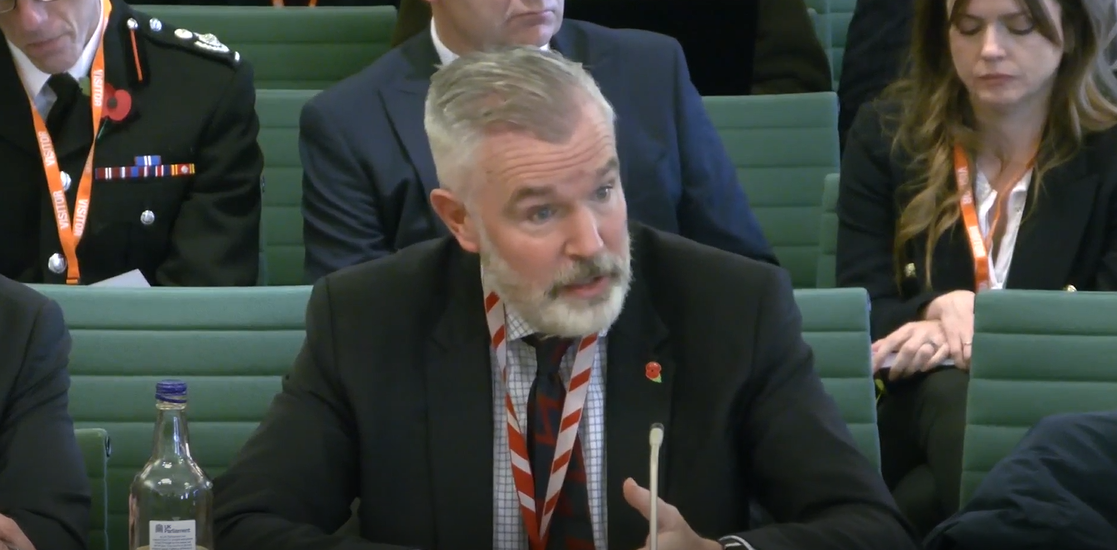
When several regulators have the power to act on an unsafe building, who should take the lead?
That was the question MPs put to Andy Roe, Chair of the Building Safety Regulator, on 12 November as they examined the Government’s bill on unsafe cladding. Andy argued that regulators should agree early who is best placed to act on each building. As he told the committee, “There is no single hierarchy that necessarily fits all circumstances.”
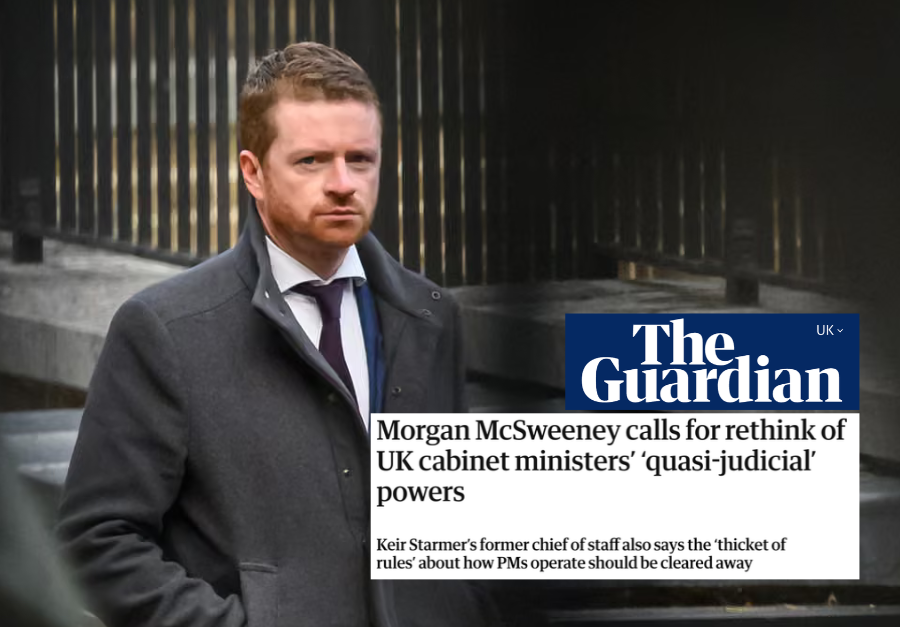
Morgan McSweeney gave evidence to the House of Lords Constitution Committee this week on how government can deliver change while maintaining safeguards against the abuse of power.
The former Downing Street chief of staff argued for a review of the accumulated rules and conventions shaping government decisions, with clearer responsibilities and any reforms determined by Parliament.
Eleanor Mills joined Fran Willoughby on The Power of the Truth, a podcast about honesty and the turning points in people’s lives.
After 23 years at The Sunday Times, Eleanor was made redundant at 49. She tells Fran what it felt like to lose a role that had shaped her identity, and how a story she’d worked on about women who left their jobs to raise families helped her recognise the audience she would go on to bring together through Noon.
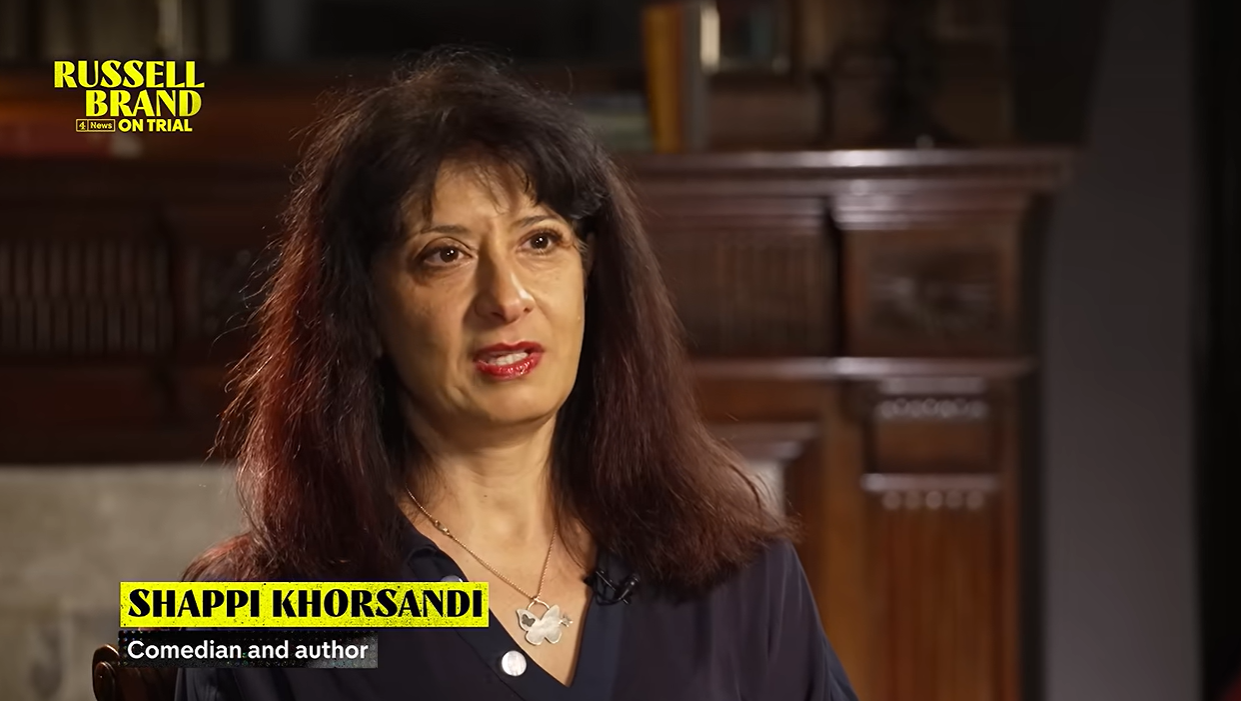
Shappi Khorsandi speaks candidly to Channel 4 News about working alongside Russell Brand and the culture on the comedy circuit that enabled harassment and abuse.
In conversation with Minnie Stephenson, Shappi reflects on how behaviour was normalised, the pressure to appear unaffected, and the difficulty of finding the words to describe what had happened.
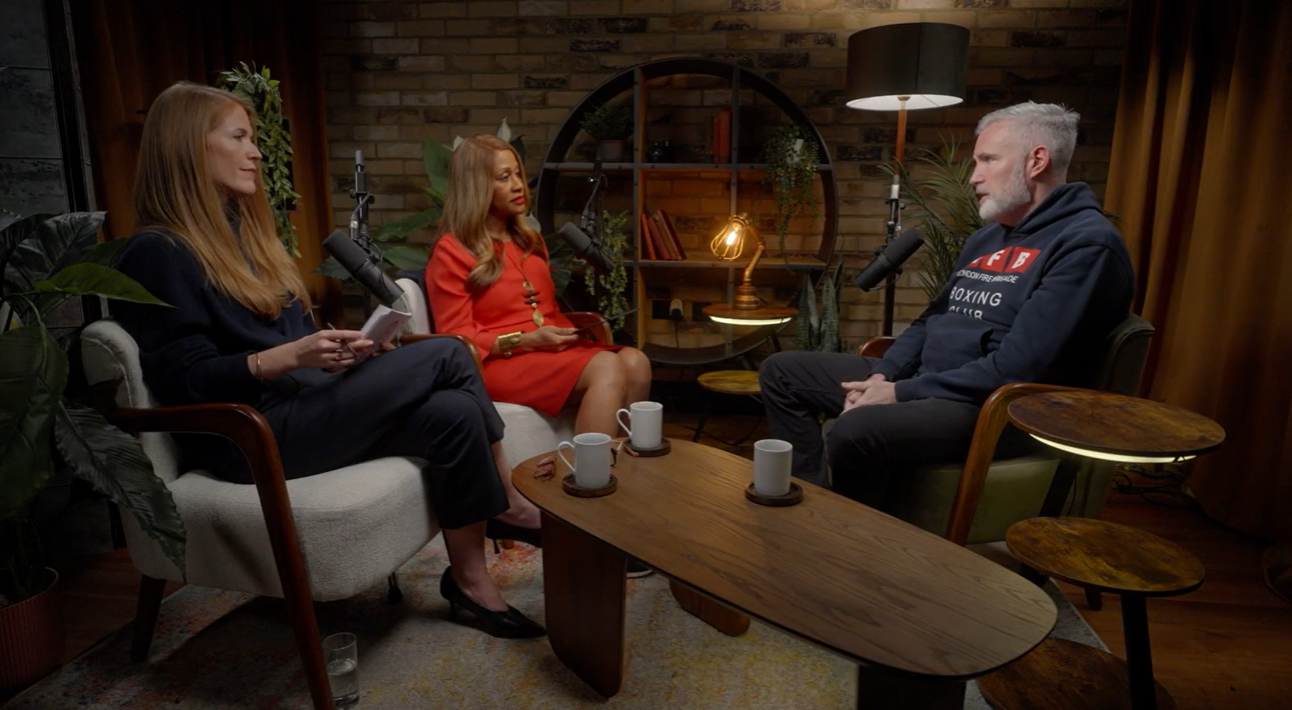
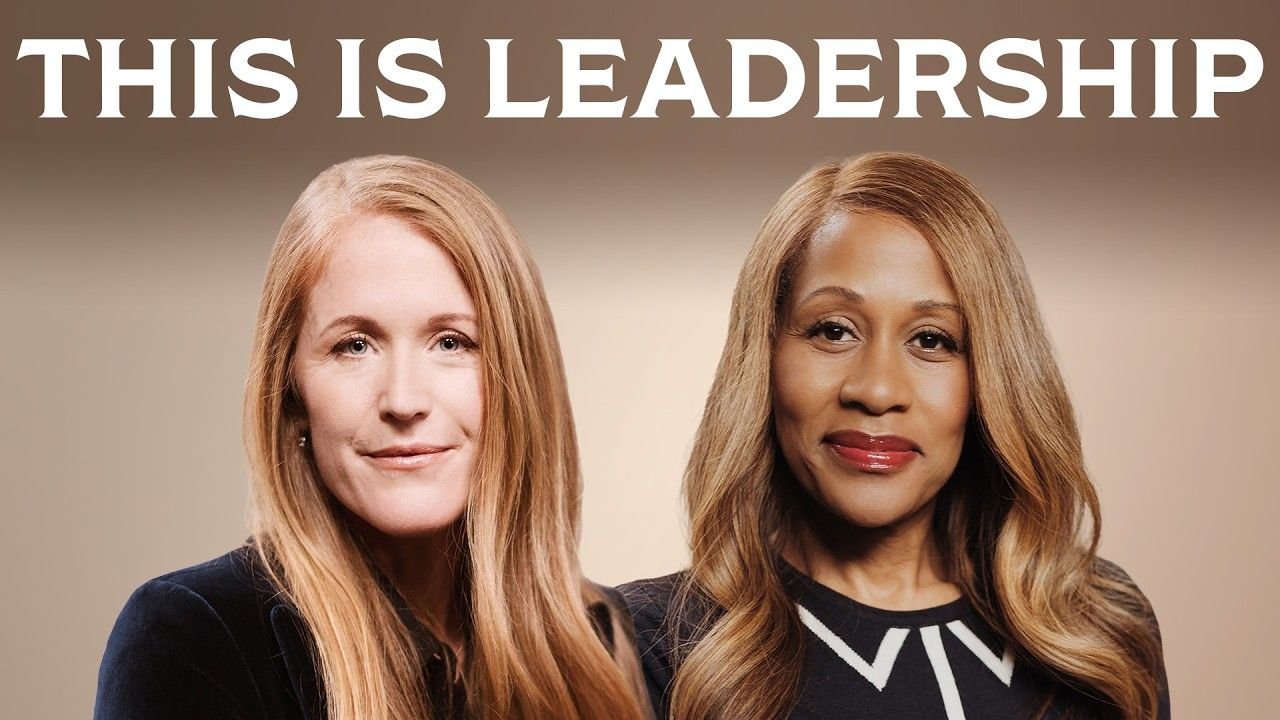
Lord Andy Roe joins Karen Blackett CBE and Katie Lloyd on This is Leadership, the podcast series sponsored by British Airways.
Drawing on his time in the British Army and as Commissioner of the London Fire Brigade, Andy shares his perspective on leading under pressure, navigating organisational change and taking accountability.
A thoughtful conversation about responsibility, resilience and the part we all play in effective leadership.
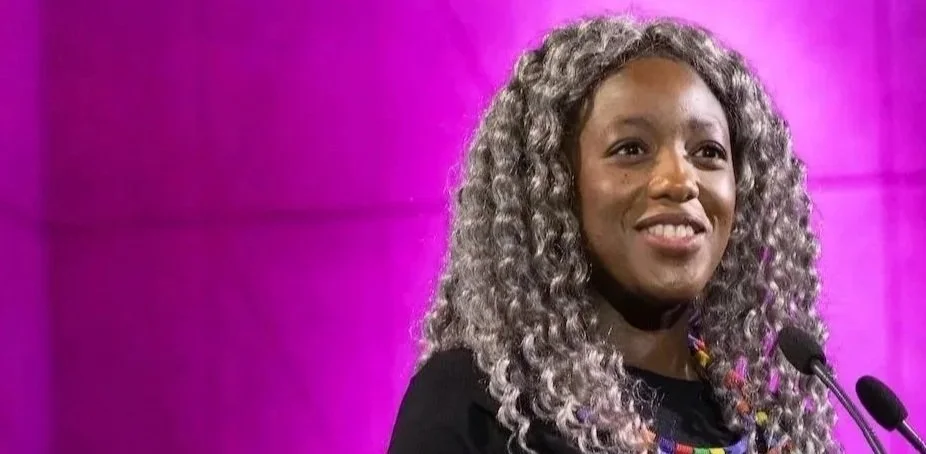
Invisible Women author and speaker Caroline Criado Perez was a guest on a new series of the podcast A Question of Science with Professor Brian Cox.
As part of an expert panel that discusses how our biological sex influences our health, Caroline shares examples of how not differentiating between the sexes when recording health data or designing clinical trials lead to poor outcomes for women again and again.
Oliver Burkeman recently joined Trevor Noah on his What Now? podcast for a wide-ranging conversation about time, ambition, productivity and the pressure to get everything right.
Their conversation explored why accepting our limitations can make us more effective, how to pursue ambition without constant anxiety, and why choosing what not to do can be just as important as deciding what deserves our attention.
A thoughtful and often very funny exchange that demonstrates why Oliver’s perspective on time management continues to resonate so widely.
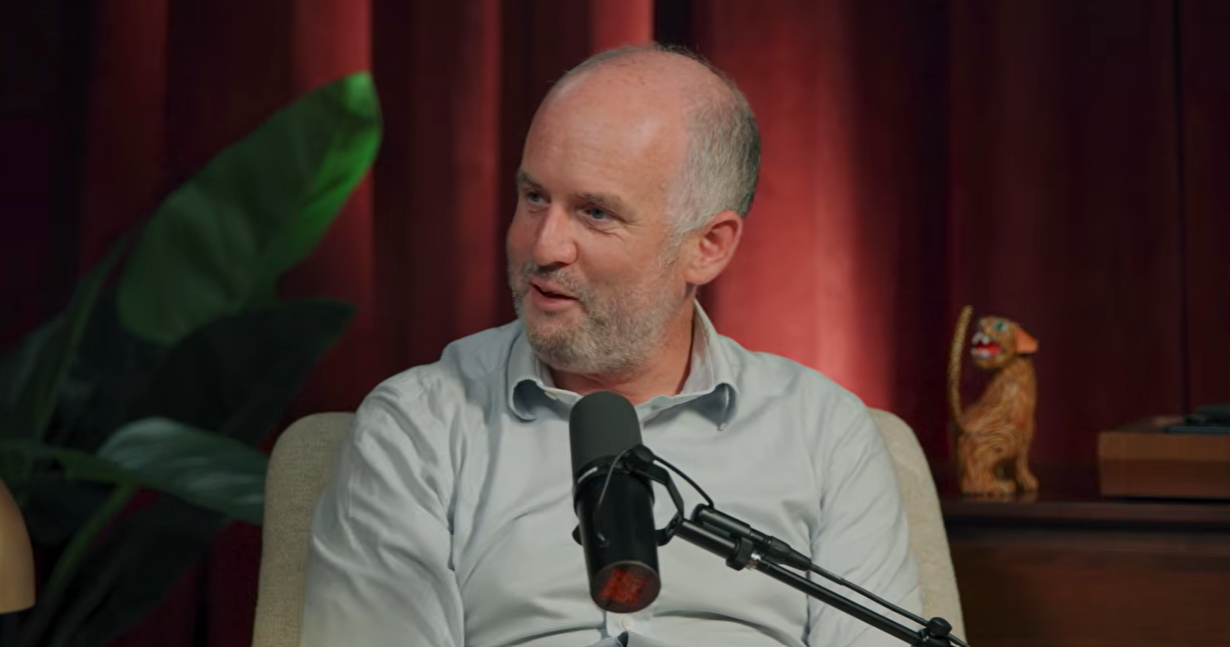
Misha Glenny, joins James Kirkham on StoryCo, for a wide-ranging conversation about geopolitics, technology and the power of information.
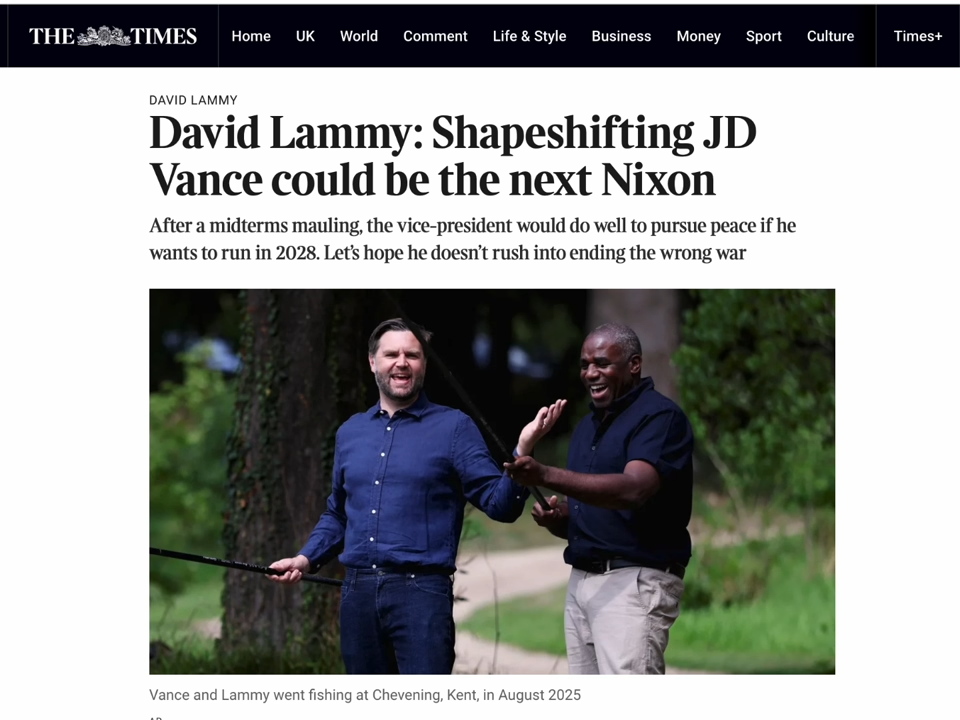
David Lammy examines what the US midterm results could mean for American foreign policy in his latest article for The Sunday Times.
Drawing on his discussions with JD Vance and visits to the White House as foreign secretary and deputy prime minister, David considers how electoral pressure, the cost of living and Republican ambitions for 2028 could shape Washington’s next moves on Iran and Ukraine.
He warns that the pursuit of quick agreements could carry lasting consequences for Britain and its allies, arguing for closer diplomacy with European and Gulf partners.
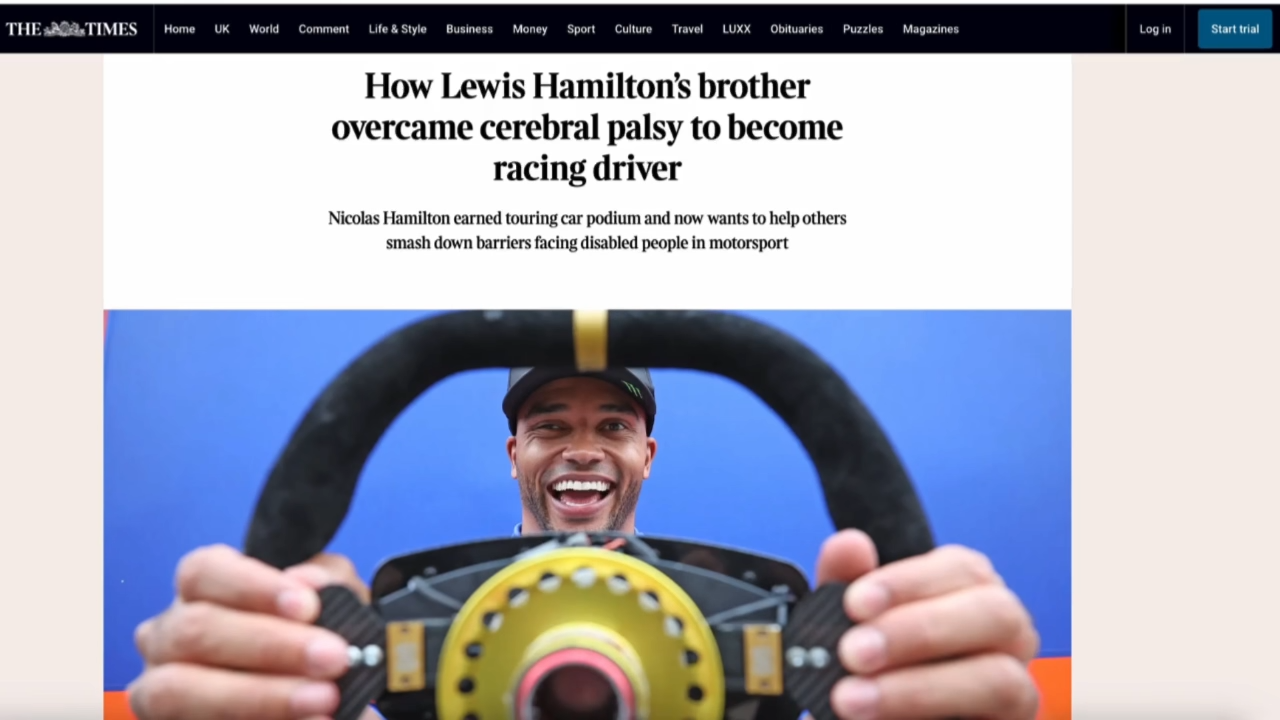
Nicolas Hamilton reflects on a landmark year in his racing career in The Times.
Following his first British Touring Car Championship podium and Jack Sears Trophy victory at Snetterton, Nic discusses the determination behind his achievements, the practical challenges of competing with cerebral palsy and his ambitions to make motorsport more accessible.
Nic’s long-term vision of establishing a racing team for disabled and neurodivergent people is a strong illustration of how his personal achievements are now informing his wider work on accessibility and inclusion
Matt Barbet’s latest reporting for Sky News has taken him into the cockpit of an RAF Typhoon and underground at RAF Boulmer, where British airspace is monitored around the clock.
The full film is available on Sky News Defence Insider.
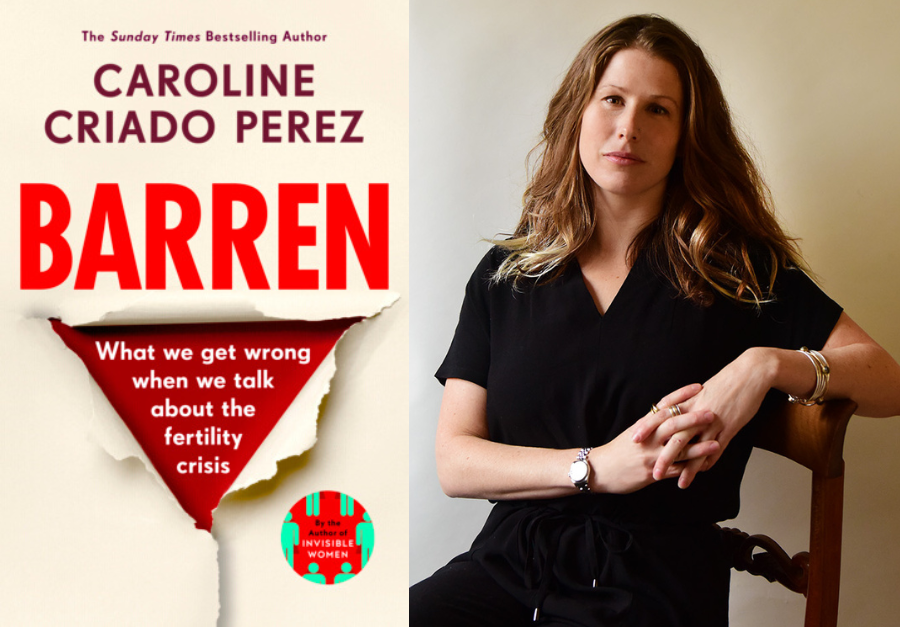
Caroline Criado Perez has announced her new book, BARREN: What We Get Wrong When We Talk About the Fertility Crisis.
When birth rates fall, why does so much of the debate focus on women’s choices? Caroline looks at what that framing leaves out, from men’s role in fertility to the everyday realities of inflexible workplaces, poor maternity care and fertility treatment that many people struggle to access.
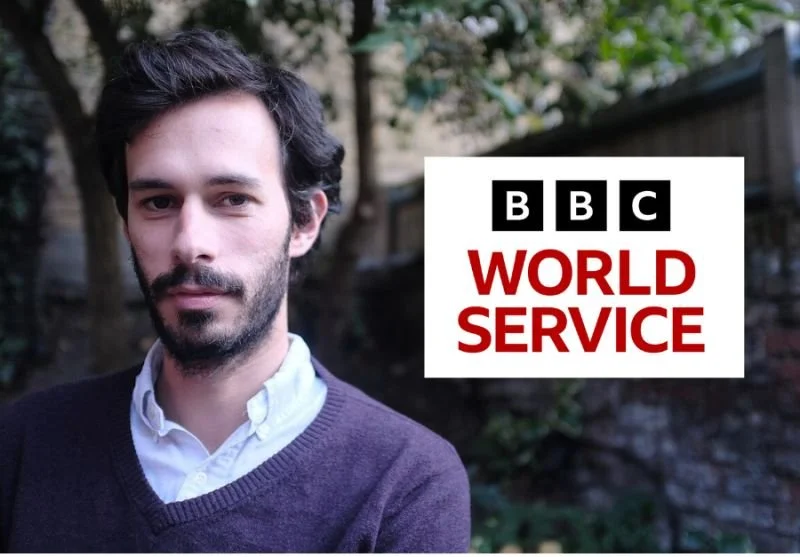
Carl Miller has worked with BBC World Service to investigate how disinformation operates in Russian and Arabic information environments, and the role trusted journalism plays in responding.
For Global Signals, CASM Technology, of which Carl is a director, worked with BBC Monitoring and the BBC’s Global Audiences team to examine more than 100,000 posts from known disinformation accounts, alongside over 54,000 posts mentioning the BBC, across 11 social platforms.
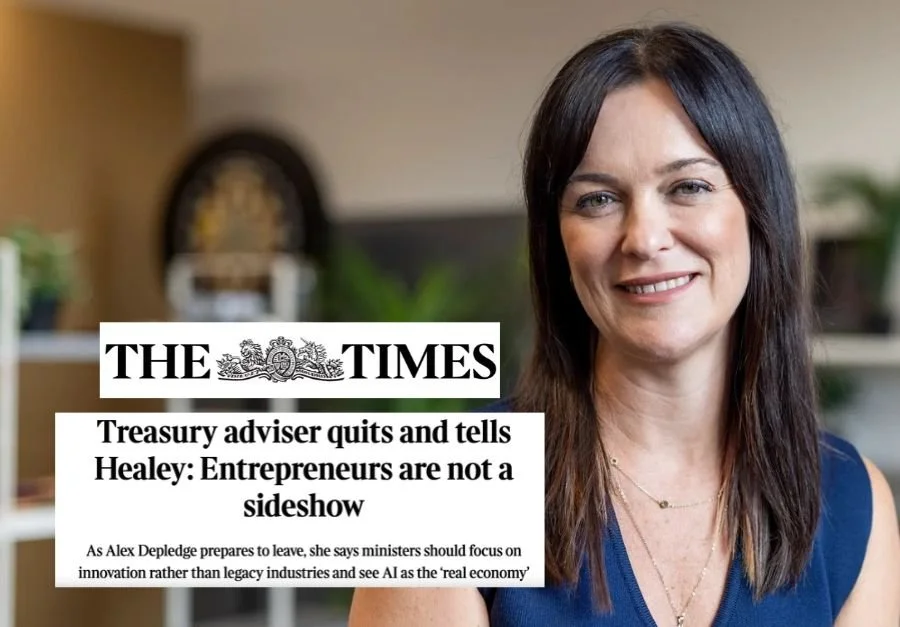
Alexandra Depledge, MBE is stepping down from her role as the Treasury's entrepreneurship adviser, having contributed to discussions around how the UK can better support its startup and scaleup businesses.
In an interview with The Times, Alex reflects on the challenges facing British entrepreneurs, from creating the conditions for companies to grow to ensuring the UK can capitalise on opportunities emerging from AI and technology.
Nicolas Hamilton is partnering with Royal London to explore widening participation for disabled and neurodivergent talent in motorsport, building on its Levelling the Playing Fields programme.
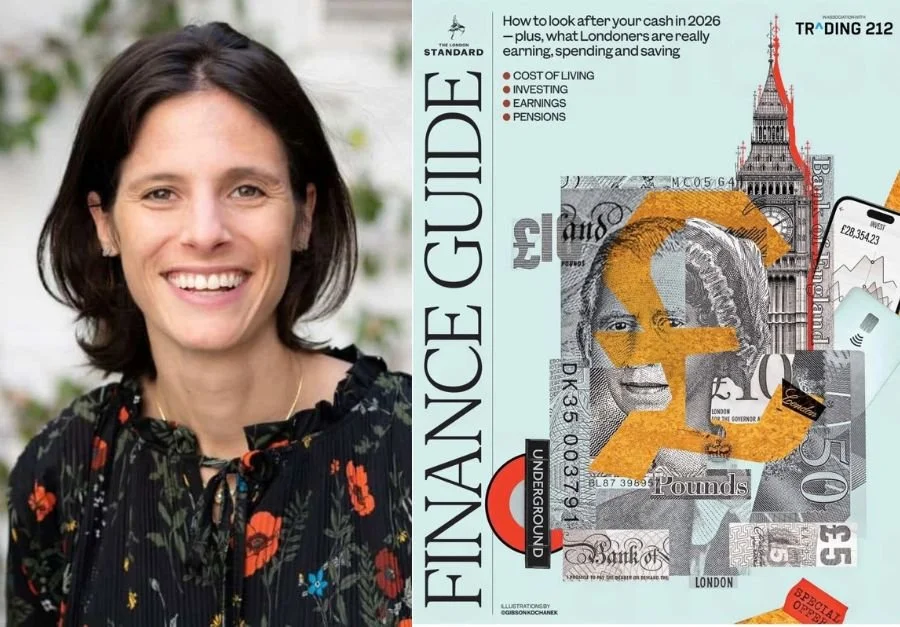
Vestpod founder Emilie Bellet was a contributor to The London Standard’s beginner’s guide to investing, helping debunk one of the biggest barriers people face when getting started: the idea that you need to know everything first, or have a significant amount of money before investing is relevant to you.
Emilie's practical and no-nonsense advice is very much stemming from her passion for making financial decisions easier to understand and easier to act on, and its great to see those ideas reaching a broader personal finance audience.
David Lammy has written for the Financial Times on a question that is becoming increasingly important for the UK: how do we build our own AI capabilities while navigating growing competition between the US and China?
Drawing on his experience as Foreign Secretary, David looks at AI through a geopolitical as well as technological lens — examining the UK's reliance on overseas technology, the security questions surrounding Chinese AI models, and the need to invest in and champion British AI companies.
Karen Blackett CBE has launched a new podcast This Is Leadership in partnership with British Airways, exploring leadership as it is actually practised.
Co-hosting the series with Katie Lloyd, Karen speaks to ten leaders from very different worlds to examine the experiences, decisions and challenges that have shaped how they lead.
Eva Omaghomi CVO PhD (h.c.) has launched Brand63Africa's first pop-up at Harrods, bringing a curated group of African and diasporic luxury designers to one of the world’s most prestigious retail stages.
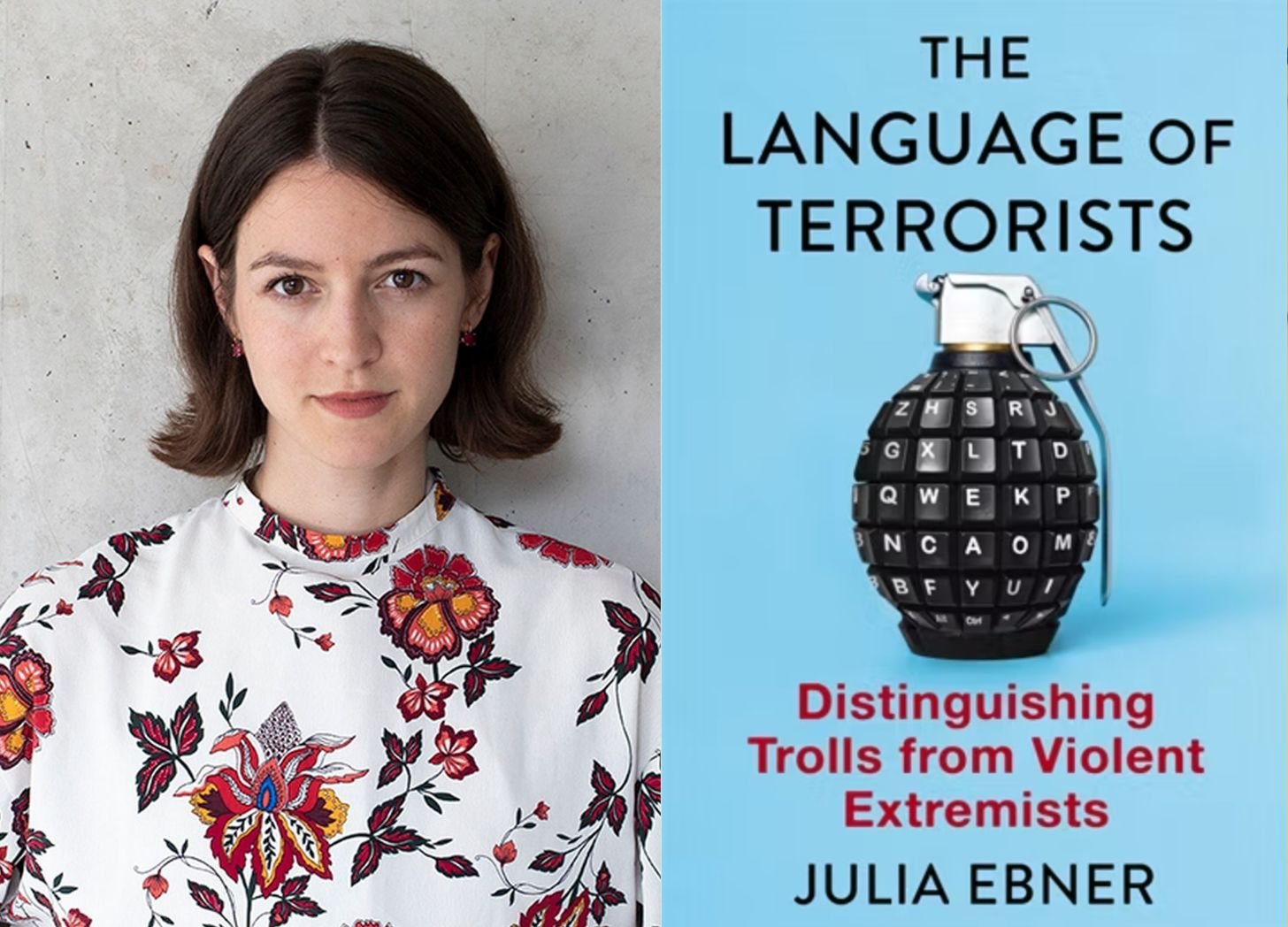
Dr Julia Ebner’s new book, The Language of Terrorists, tackles one of the most difficult questions in the study of online extremism: when do words become a credible warning of real-world violence?
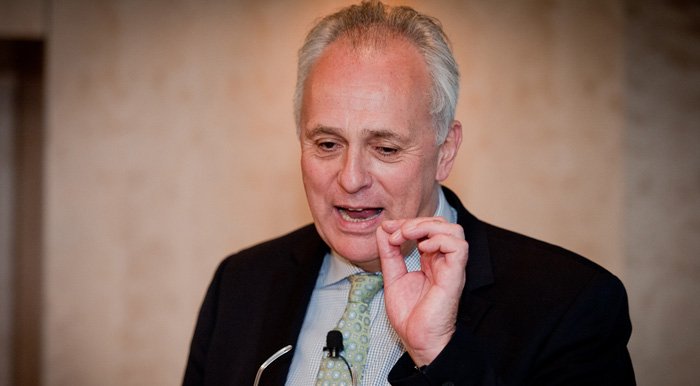
Lord Mark Malloch-Brown is the new chair of The Observer UK.
In a fascinating and personal piece for the publication, Mark reflects on the newspaper’s influence on his life and career.
A new documentary puts Adam Pearson, and a remarkable career spent challenging perceptions of disability, at the centre of the story.
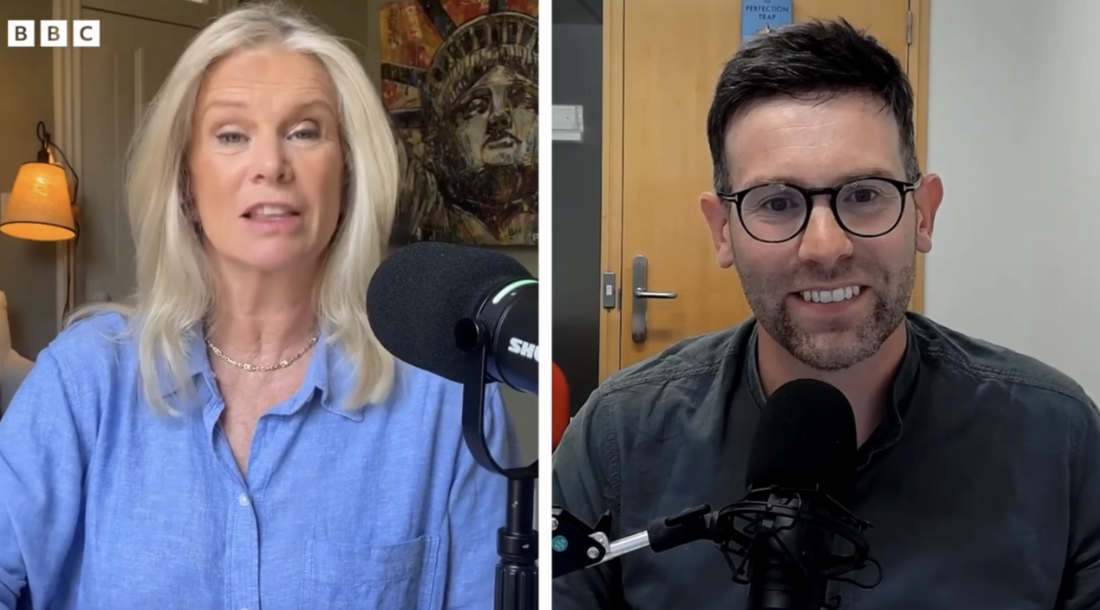
Professor Thomas Curran spoke to the BBC's Katty Kay about the acute rise of perfectionism in the young and why social media and screens are not the only things to blame.
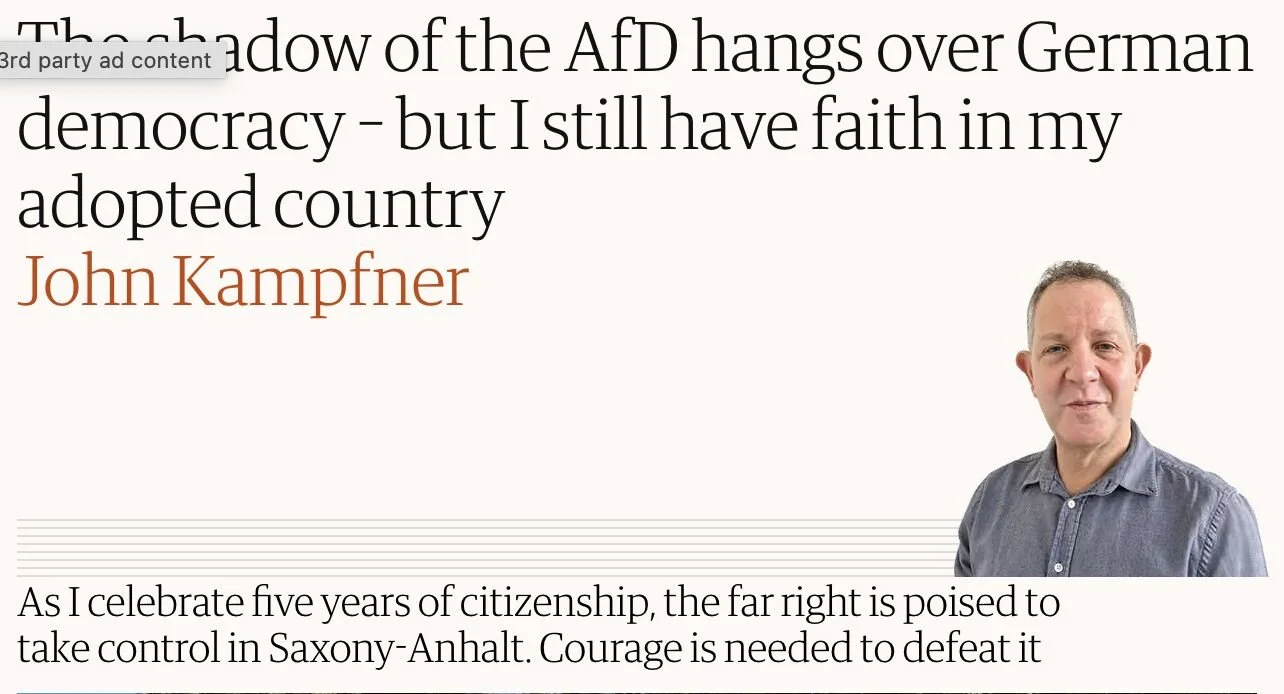
John Kampfner writes in The Guardian on Germany, the rise of the AfD and the pressures now facing its democratic institutions.
Drawing on decades of reporting on Germany, as well as his own experience as a German citizen, John considers both the seriousness of the current political moment and the reasons he retains faith in the country’s ability to respond.
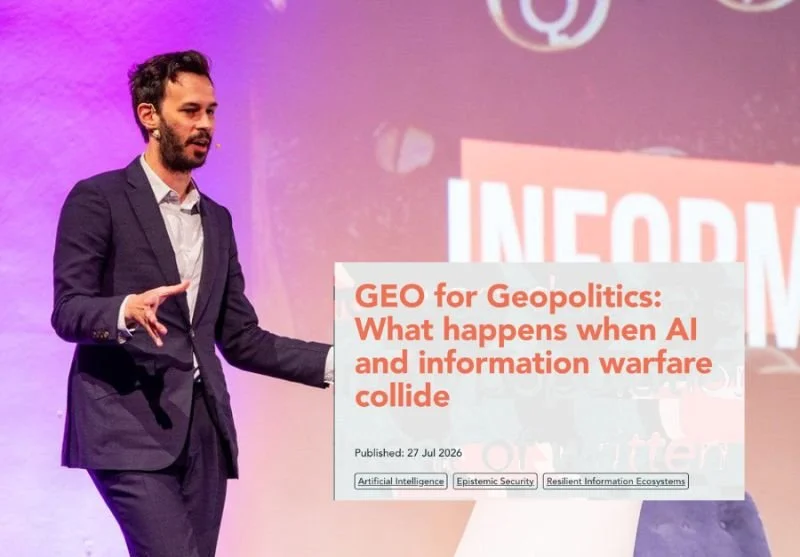
As AI becomes one of the ways we understand the world, a new question is emerging: who is shaping what it tells us?.
In his latest paper for Demos, GEO for Geopolitics, Carl Miller examines a new frontier in information warfare — how the online information retrieved by AI models can be deliberately manipulated to influence the answers they give.
Adam Kingl was recently on BBC Radio London discussing a topic that resonates with many organisations today: how the way we eat influences the way we work.
Drawing on ideas from his new book Executive Eats, Adam explored the links between nutrition, wellbeing and performance, making the case that preparing food is about far more than healthy eating. It can support concentration, creativity, sustained energy and even strengthen the habits and connections that underpin effective working.
As Britain welcomes yet another new prime minister and British politics enters another period of change, John Kampfner turns his attention to what the latest shift in leadership could mean for the UK — and how it will be understood beyond its borders.
In his latest Citizen of Everywhere Substack, John examines the political and economic challenges facing Andy Burnham, from devolution and public services to Britain’s relationship with Europe and its place on the international stage.
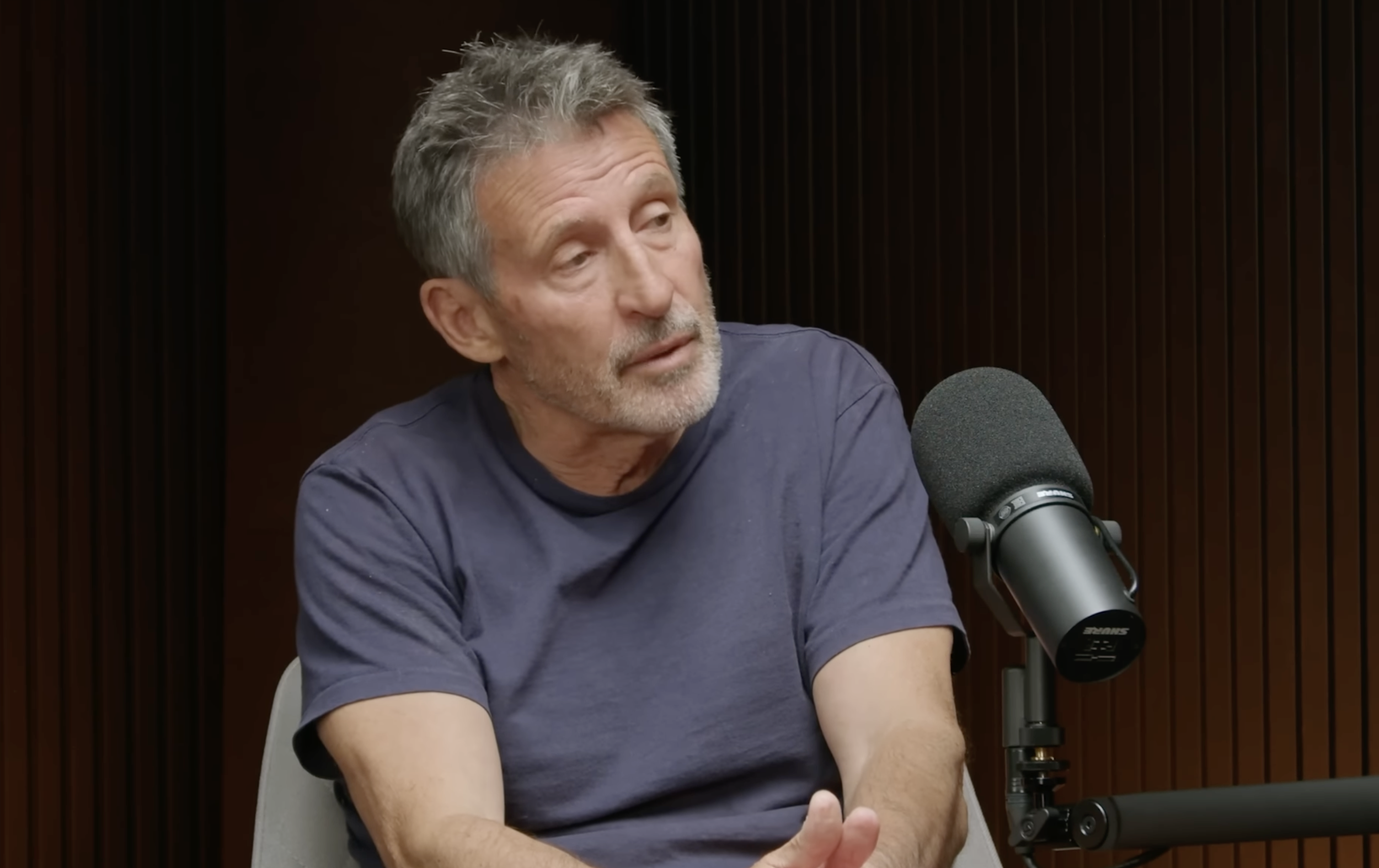
Few people have experienced global sport from as many angles as Lord Sebastian Coe.
In a wide-ranging recent podcast with Harry Stebbings and Charlie Stebbings at Business of Sport, Seb reflects on the evolution of athletics, the commercial realities facing elite athletes, and the responsibility of sporting organisations to remain relevant to new generations. The breadth of his experience — as an Olympic athlete, political figure, leader of London 2012 and President of World Athletics — and his understanding of sport do not operate in isolation. Questions of governance, economics, geopolitics and social change are all part of the landscape.
New research from Dr Thomas Curran adds further depth to an increasingly important conversation about perfectionism and the pressures facing young people.
Published in Psychological Bulletin, the study draws on 35 years of data from almost 100,000 college students across the US, UK and Canada. Its findings suggest that perfectionism is not only rising but accelerating, and that the causes may go deeper than the influence of smartphones and social media, with wider economic and societal pressures also playing a role.
You can read the full paper from the American Psychological Association.
Alexis Conran has launched a new Substack looking at the sharp rise in fraud across the UK. With 4.5 million incidents reported last year—up from 3.2 million in 2024. Losses hitting £14.4 billion, he explores what’s really going on behind the numbers, and why the true scale is likely even bigger.
Drawing on more than 20 years spent exposing scams on TV, Alexis shares practical advice, real stories, and insights into how fraudsters actually operate, helping readers better spot and avoid increasingly sophisticated scams.
Subscribe to Alexis’ Substack here: https://scamproofyourlife.substack.com/